
Arterial Aneurysms
Reviewed by Dr Amit KumarThoracic endovascular aneurysm repair (TEVAR)
Understanding your aneurysm scan and what the size means
A short guide to abdominal aortic aneurysm surveillance — why the size is measured and what the follow-up intervals mean.
Medical terms
Tap a term for a plain-English definition.
Case pictures
Real, de-identified cases — Dr Amit Kumar.
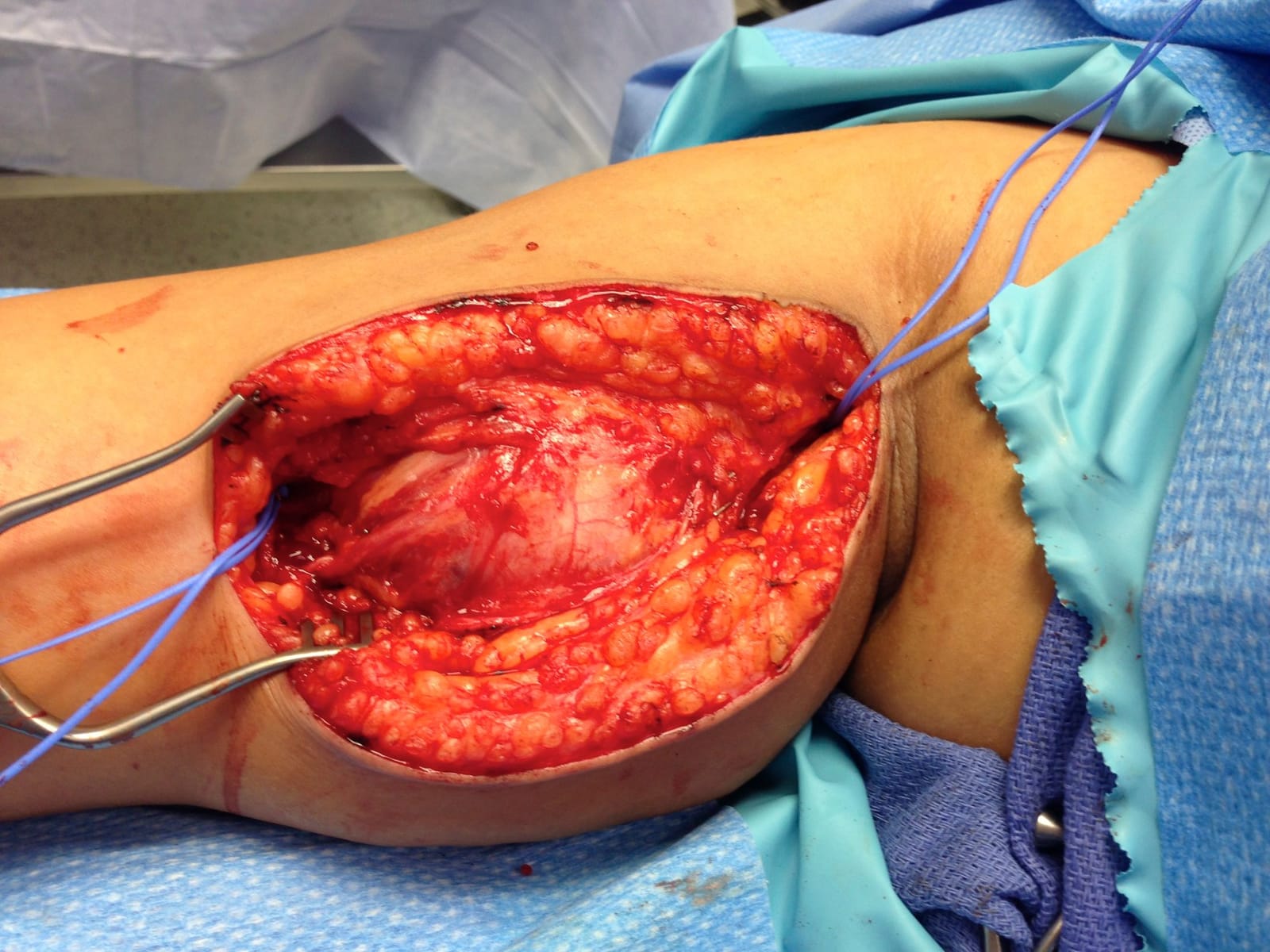
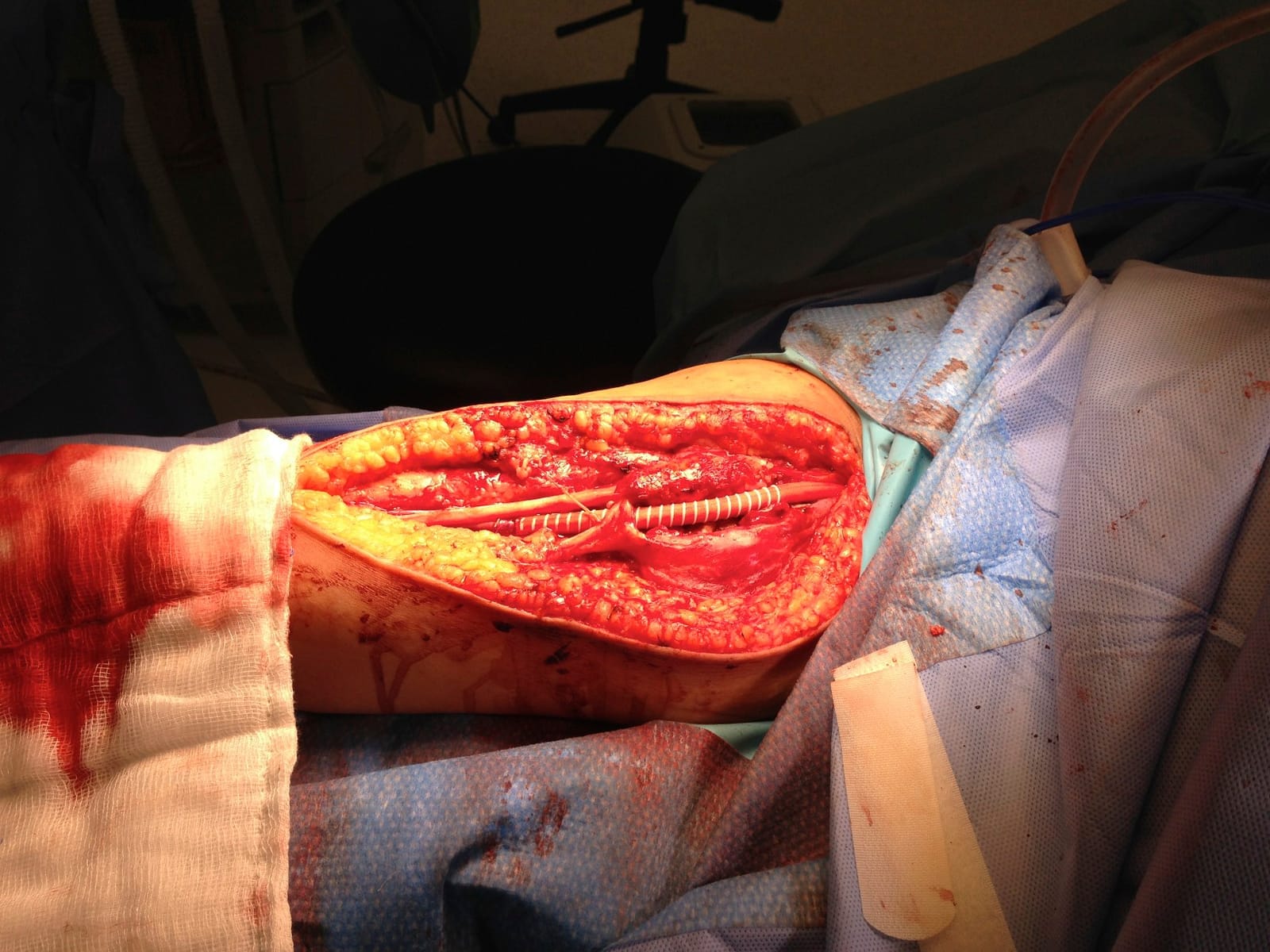
Operative photographs before and after open repair.
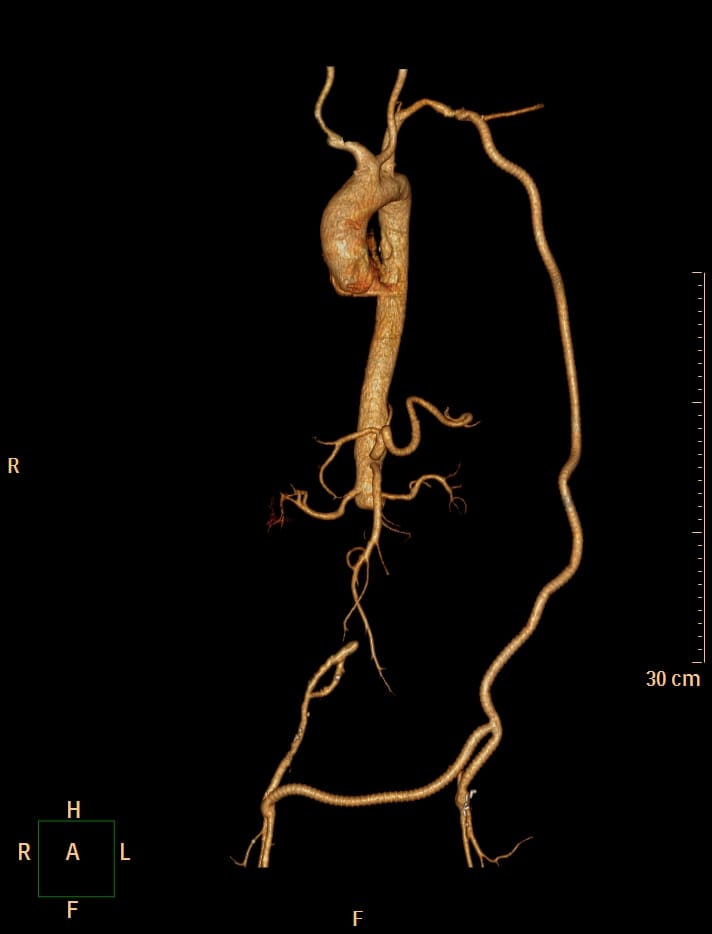
CT angiogram.
What is this
Arteries are the blood vessels which carry the blood filled with oxygen to the various parts of the body. An aneurysm is when a weakened section of that artery wall, becomes stretched and ballooned outward. The risk, as with any overinflated balloon is that it may burst. Most aneurysms occur in the abdomen (an abdominal aortic aneurysm, or AAA); some occur in the chest, arms, legs or in the brain.
Symptoms
Most aneurysms cause no symptoms at all — which is exactly why they can go unnoticed. When symptoms do occur, people may describe:
- A pulsing or throbbing feeling at the location of the aneurysm
- A dull ache or discomfort in the abdomen, side or lower back (for an abdominal aortic aneurysm)
- Symptoms typically occur, only once the aneurysm becomes large
Because they are usually silent, aneurysms are often best found before symptoms appear — which is the purpose of screening and monitoring.
The most important section
When to seek an opinion
An aneurysms’ biggest risk is of bursting. Its size relates directly to that risk. When an aneurysm is stable, it is not an emergency. But certain situations need urgent attention:
- A pulsating lump you can see or feel in any part of the body where a blood vessel typically might be present – and which you have not noticed before, especially if it is painful to pressure
- Sudden, severe pain in the abdomen, back or side — this can signal a rupture and is a medical emergency; call emergency services immediately
- Fainting or collapse alongside abdominal or back pain ( for an abdominal aortic aneurysm)
- A known aneurysm that has grown on follow-up scans – each aneurysm has specific sizes, based on medical studies, at which the risk of rupture (bursting) is low – and for which observation is recommended.
- A pulsating lump you can see or feel in the abdomen
Who gets them, and why
Aneurysms become more common with age, and the main risk factors are smoking (past or present), high blood pressure and a family history of aneurysm. They are more common in men.
How it’s assessed
Most are found by chance — on a scan done for another reason, or through screening. The usual test is an ultrasound of the abdomen (for aneurysms in the abdomen), which is quick and painless; a CT scan gives more detail when planning treatment.
More about the scans you might have is on the Tests page.
Treatment options
For a small aneurysm, the goal is to slow its growth and keep it under review — most never need surgery. Repair is considered when an aneurysm reaches a size where the risk of rupture outweighs the risk of the procedure, or if it is growing quickly or causing symptoms.
Start here — conservative measures
Stop smoking
The single most important step — smoking both causes aneurysms and speeds their growth.
- What it involves:
- Support and medication to quit are available and worthwhile at any age.
Control blood pressure and vascular health
Keeping blood pressure well managed, staying active and treating cholesterol reduces strain on the artery wall.
- What it involves:
- Usually managed with your GP through lifestyle measures and, where needed, medication.
Regular monitoring (surveillance)
A small aneurysm is watched with repeat ultrasound scans at set intervals to check whether it is growing.
- What it involves:
- Painless scans; the interval depends on the size.
Procedures, if they are needed
Endovascular repair (EVAR)
A stent-graft is guided into the aorta through small cuts in the groin to line the weakened section from the inside.
- What it involves:
- Less invasive than open surgery, usually with a shorter recovery; needs long-term follow-up scans.
Open surgical repair
The weakened section is replaced with a fabric graft through an operation on the arm, leg, chest or abdomen – depending upon the location of your aneurysm.
- What it involves:
- A bigger operation with a longer recovery, but durable; the right choice depends on your anatomy and health.
Which repair suits you depends on the aneurysm's size, shape and position, and your overall health. There is no single best option for everyone.
What happens if they’re left untreated
Left unmonitored, an aneurysm may keep enlarging silently. The concern with a large aneurysm is rupture, which is life-threatening — which is exactly why small ones are watched and larger ones repaired: to act before that point.
Common Questions Patients Ask
Is an aortic aneurysm dangerous?+
A small, stable aneurysm that is monitored is usually not an immediate danger. The concern is rupture, which is serious — and the whole point of monitoring and, when needed, repair is to prevent that from happening.
Can I stop it getting bigger?+
You can reduce how fast it grows — stopping smoking is the most effective step, along with controlling blood pressure. These do not shrink an aneurysm, but they lower the risk.
Will I need surgery?+
Many small aneurysms never need surgery and are simply watched. Repair is offered when the size or growth suggests the risk of rupture has become significant.
Should my family be checked?+
Because aneurysms can run in families, close relatives may be offered screening. It is worth asking your doctor.
Contact us
To ask about arterial aneurysms or arrange an assessment, send the clinic a message on WhatsApp.